PolasourcingGet Quote
# How to Verify a Chinese Supplier: Business License Checks & 9 Red Flags
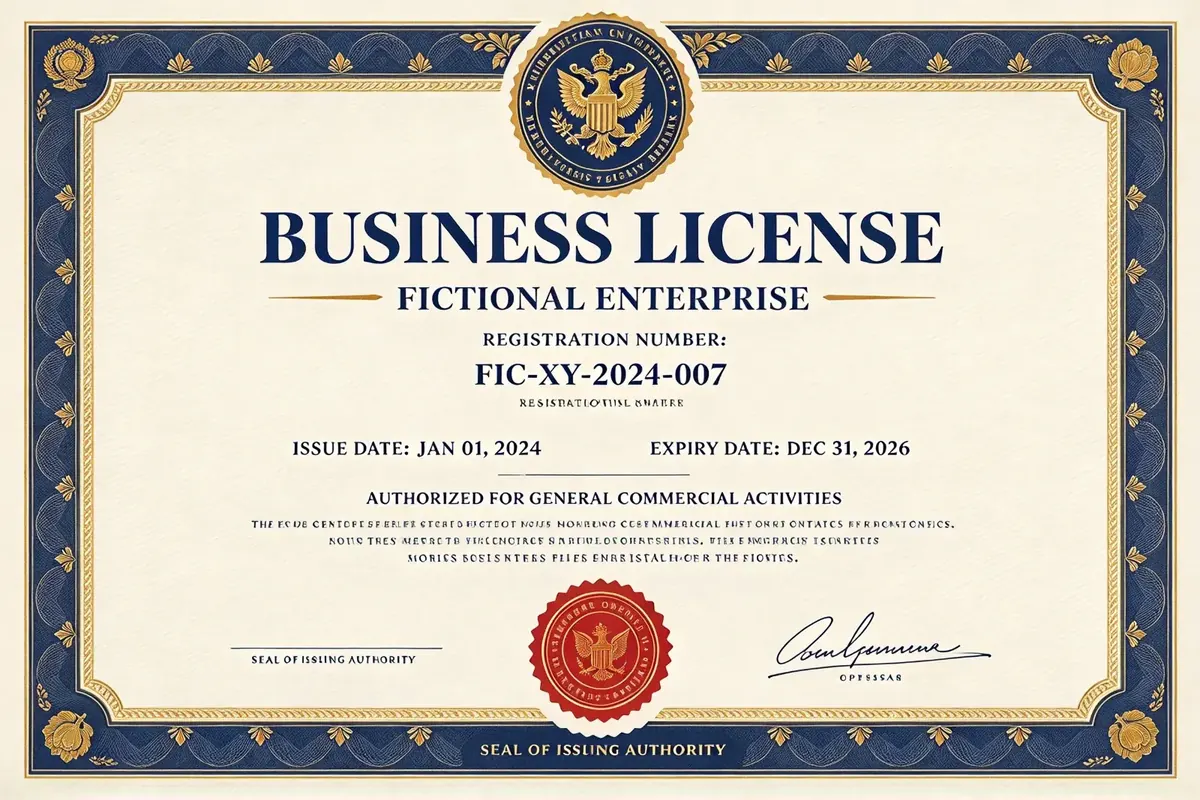
A business license is a useful starting point when you evaluate a supplier in China. Before sending a deposit, compare the license with the company’s official public record in China’s National Enterprise Credit Information Publicity System (GSXT): https://www.gsxt.gov.cn/.
The check is free. It can help you confirm whether the registered company exists and spot important inconsistencies. It cannot, by itself, prove that the company owns a factory, can meet your quality requirements, or will perform reliably. Use the registry as one part of supplier due diligence.
What GSXT can tell you
GSXT is China’s official enterprise information publicity system. Depending on the entity and the information disclosed by the relevant authorities, a record may include the Chinese registered name, Unified Social Credit Code, registration status, registered address, legal representative, business scope, annual reports, administrative penalties, and abnormal-operation information. Some administrative licensing information may appear in GSXT; for regulated products, also verify the specific permit with the issuing authority or its official database.
The system is based on public records and required disclosures. Some annual-report information is reported by the company, and not every financial detail is publicly visible. A clean search result is not a government endorsement or a guarantee against fraud.
How to run a basic check
- Ask the supplier for a clear, current copy of its business license and the exact Chinese legal name and 18-character Unified Social Credit Code.
- Type the official GSXT address into your browser yourself. Search the Chinese name or code; do not rely only on a link or screenshot supplied by the seller.
- Match the company name and code character by character. Then review its status, registration date, registered address, business scope, annual reports, and any abnormal-operation or penalty records.
- Compare the registered entity with the quotation, sales contract, invoice, bank beneficiary, and the party that will receive your payment.
- If the supplier claims to be a manufacturer, ask for a live video walkthrough, production evidence, and an independent factory audit. Check any product-specific permits with the relevant authority.
Nine red flags to investigate
1. The legal name or credit code does not match
The Chinese company name and Unified Social Credit Code on the license should match the GSXT record. A small spelling or translation difference may be explainable, but a different code or unrelated legal entity needs a clear written explanation. The English trading name may differ from the registered Chinese name, so ask the supplier to identify the exact legal entity behind the brand.
2. The company is not in an active operating status
Read the displayed registration status carefully. A cancelled, revoked, dissolved, or otherwise inactive entity should not be treated as the normal contracting party. If the supplier says the record is outdated or under correction, pause and obtain current official documentation before proceeding.
3. Required annual reports are missing
Chinese enterprises generally submit and publicize the previous year’s annual report through GSXT between January 1 and June 30; a company established during the current year starts reporting from the next year. Missing reports can lead to abnormal-listing action. Check the record in context, including the company’s establishment date and the years for which reports should exist.
4. The company appears on the abnormal-operation list
The market regulator may list a company for reasons including failure to publish an annual report, failure to disclose required information after being ordered to do so, failure to register a required name change, or inability to contact it at its registered address. This is a prompt to investigate the specific reason and whether it was resolved—not automatic proof of fraud. Ask for supporting documents and independently confirm any correction.
5. The stated factory role does not fit the registered business scope
Compare what the supplier says it does with its registered business scope. A company describing itself as a factory while its scope and evidence point only to trading or sales deserves follow-up. At the same time, do not assume that every trading company is illegitimate: a trading company can be a valid seller that works with a separate manufacturer. Identify and verify both entities, and put the correct contracting party in your agreement.
6. A regulated product lacks the relevant permit
A standard business license is not the same as a product-specific production, safety, or sector permit. Requirements vary by product and market. For food, medical, electrical, or other regulated goods, identify the approvals or certifications required for the exact product and manufacturing site, then verify them with the issuing authority. A certificate image alone is not verification.
7. The license image or QR result is inconsistent
Blurry text, altered fields, a QR code that leads to a different company, or mismatched registration details are reasons to stop and verify. A QR code or stamp image is not conclusive on its own. Search GSXT independently and request a fresh copy if the record and document disagree.
8. A recent change is unexplained
A newly registered company or a recent change of legal representative, address, or company name is not automatically suspicious. It does mean you should ask what changed, why the supplier is using this entity, and whether the contract, bank account, and production site have been updated consistently. Pay particular attention when the seller’s long operating history cannot be tied to the legal entity receiving your money.
9. The contract, seller, and bank beneficiary are different entities
Before paying, reconcile the legal name on the quotation and contract with the invoice and bank account beneficiary. If payment is requested to an individual, an unrelated company, or an offshore account, do not proceed until you have independently verified the relationship and received a documented explanation. Confirm any bank-detail change through a second trusted channel.
Official references
- National Enterprise Credit Information Publicity System (GSXT): https://www.gsxt.gov.cn/
- State Administration for Market Regulation, “Interim Regulations on Enterprise Information Publicity” (revised March 2024): https://www.samr.gov.cn/zw/zfxxgk/fdzdgknr/fgs/art/2023/art_78b9a2a2399e4934b288da28e67e66ba.html
- State Administration for Market Regulation, “Measures for the Administration of the List of Enterprises with Abnormal Operations” (updated November 2025): https://www.samr.gov.cn/zw/zfxxgk/fdzdgknr/fgs/art/2025/art_c3d4a523a6fe4f9eba30d2e75903e28d.html
*This article is general supplier-screening information, not legal advice. Verify product-specific requirements with the competent authority in the country where the goods will be sold.*
A practical decision rule
Treat a mismatch as a question to resolve, not as proof of misconduct. Ask for an explanation in writing, verify it through an independent source, and pause payment if the identity of the seller or beneficiary remains unclear. For a large or first order, combine the registry check with a signed sample approval, a product-specific compliance review, a factory audit, and a pre-shipment inspection.
Keep copies of the license, GSXT record, written explanations, contract, and inspection evidence with the purchase file. Recheck the legal entity and payment details when placing repeat orders, especially if the supplier changes its name, address, or bank account.