PolasourcingGet Quote
- *By Carson GE – Founder**
Over the years working with hundreds of global importers, brand owners and Amazon sellers, I’ve witnessed one costly mistake repeat itself time and again. Buyers receive a tempting quotation with low unit pricing, agree to a 30% deposit term, and lock in production — only to discover mismatched bank‑account names, hidden subcontracting, missed deadlines, or poor‑quality goods long after funds have been wired.
An attractive quote is never enough. Whether you source for retail shops, online marketplaces or your own private‑label line, your core question should always be: who is truly going to produce and deliver my order?
Many buyers rely entirely on online supplier profiles. I want to be clear: a web or marketplace profile is only a starting point. It proves the supplier wants new business. It tells you nothing about the real legal entity receiving your payment, who operates production lines, or whether their quoted lead‑time actually applies to your customised product.
There is no universal answer to “factory vs trading company”. Both can deliver great results. What matters most is whether that business can take ownership of your project from sample development all the way through to shipment. Always cross‑check the supplier’s legal business name, quotation details, contract text and payment beneficiary information. Any mismatch needs a written explanation before you transfer money.
Critical Due‑Diligence Checks Before You Make Payment
Confirm Real Production Capability for Your Exact Product
You need full visibility over which processes are completed in‑house and which parts will be subcontracted to external workshops. Subcontracting itself is common and acceptable for tasks like printing, plating or packaging. The risk comes from undisclosed subcontracting. You must know which party controls the quality‑critical steps for your goods.
Push suppliers for concrete details tailored to your product: equipment specs, raw‑material sources, real MOQ and realistic lead‑times. Statements like “we can make this item” do not constitute a production plan. Live video calls and factory photos are helpful supporting evidence, but they should never replace formal verification.
Turn Your Quotation Into a Full Technical Specification
A vague line reading “custom product” creates endless disputes later. Your formal quotation must document product version, materials, dimensions, colours, packaging, order quantity, delivery terms and payment milestones.
For private‑label projects, attach final approved artwork and clearly define responsibility for cartons, labels, inserts and test samples. Compare multiple suppliers against this identical specification. Remember to add up hidden costs: sample fees, tooling charges, packaging revisions, inspection fees and inland freight. The lowest unit price often loses its advantage once you factor in all these extra expenses.
Request Quality and Market‑Compliance Documentation
Ask for inspection records, product test reports, material data and labelling requirements matching your target market. If you sell into the EU, secure required product‑safety documentation early. For other regions, consult your customs broker or marketplace to understand exactly what paperwork you will need.
Use this stage to align on defect standards. A physical sample shows finish and appearance, but it does not define remedies for scratched goods, wrong colours or missing accessories. Save your inspection standards and agreed resolution rules within your official purchase records.
Assign Clear Ownership for Delivery Milestones
Vague lead‑times create major sourcing headaches. A “30‑day lead‑time” can mean 30 working days post‑deposit, after artwork approval, or only once raw materials arrive. Get the exact starting point written in your contract.
Clarify who will send production updates, organise pre‑shipment inspection, prepare export documents and hand cargo to your freight forwarder. If any terms change during communication, update your formal quotation file — do not rely on old chat messages.
When Should You Invest in an On‑Site Factory Audit?
Remote verification is sufficient for small‑volume, standard off‑the‑shelf orders. Budget for an on‑site factory audit when you place large‑value orders, work with safety‑critical goods, run heavy customisation, or where late delivery would ruin your product launch timeline.
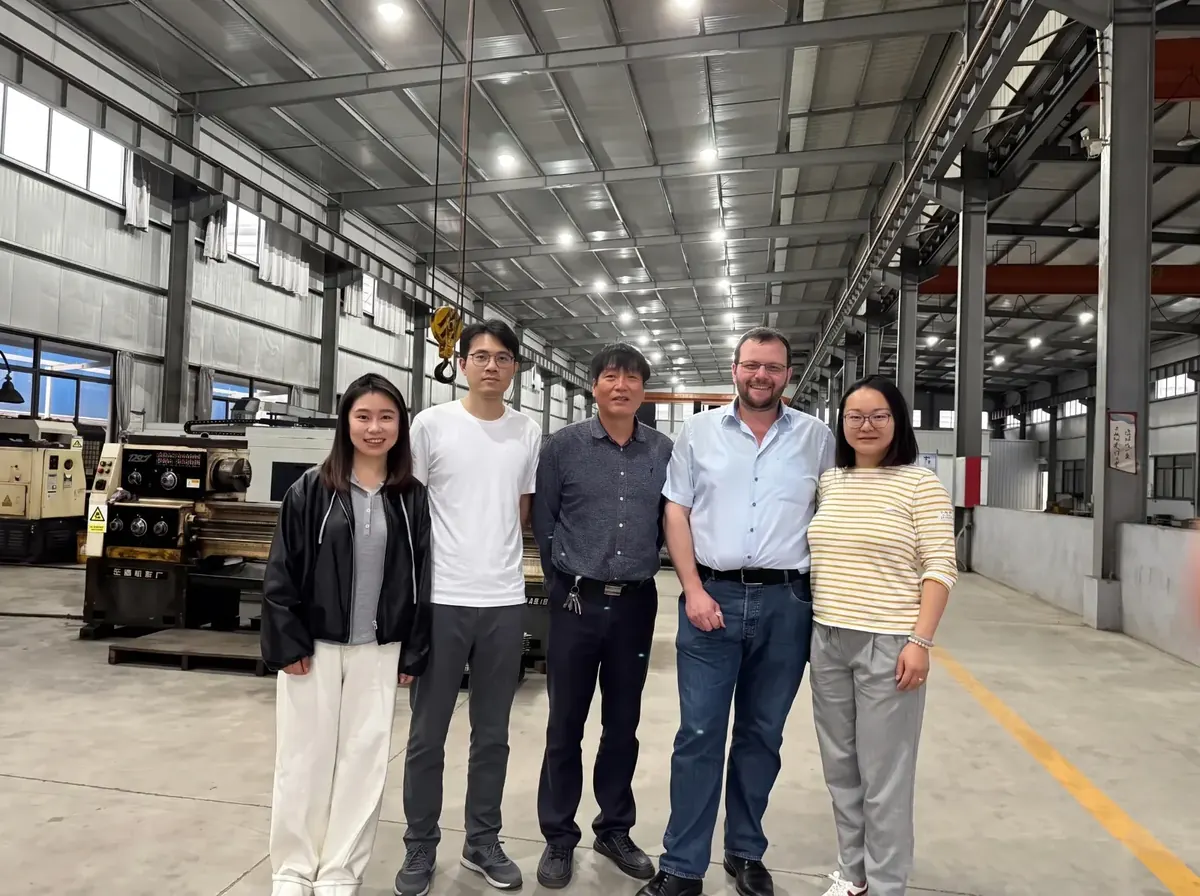
During an audit, the verifier cross‑references the registered business address with actual operating facilities, reviews production equipment, raw‑material and finished‑goods storage conditions, and looks through internal quality records. Your goal is tangible proof the supplier can handle your order volume and quality expectations, not just a generic “pass” certificate.
Keep one key reality in mind: even a genuine, well‑equipped factory audit result cannot guarantee mass‑produced goods will perfectly match your approved sample.
Treat Your Approved Sample As Part of Your Contract
Mass‑production output will not automatically replicate your sample. Document everything: material composition, colour tolerances, measurements, logo placement, packaging details and acceptable defect thresholds. For private‑label work, archive the final approved artwork version.
Before paying your deposit, compare formal quotations from at least two qualified suppliers using this same sample reference. Structure payments around clear project milestones. A common setup is deposit to kick‑off production, with balance payable upon passing pre‑shipment inspection.
One hard rule: never send company‑order funds to a personal bank account. Always request written confirmation of the bank beneficiary name before you initiate any wire transfer.
Where a Local Sourcing Agent Adds Real Value
A competent China sourcing agent earns their fee by delivering local‑language verification, ongoing production follow‑up and multi‑supplier coordination. A good agent will share exactly what checks they completed, what risks remain unresolved, and provide supporting documents or photos. They will not push you towards a cheap quote just to close a deal quickly.
Local teams can connect supplier vetting with sampling, quality control, warehouse consolidation and export documentation. This end‑to‑end support is especially valuable if you source multiple SKUs across different market vendors.
The Deposit Gate: Four Conditions Must Be Met Before You Pay
Hold off on sending your deposit until all four items align clearly:
- Confirmed supplier legal identity
- Fully approved product and packaging specifications
- Mutually agreed commercial terms
- Documented inspection and delivery plan
If any of these points remain unclear, ask sharper questions, revise your quotation, re‑review samples or schedule independent third‑party checks. Do not rush payment to keep up with a supplier’s timeline.
Supplier verification cannot eliminate every sourcing risk. What it does accomplish is shifting risk from costly surprises after payment, to controlled decisions you make before spending capital.
Frequently Asked Questions
- *Q: Is a supplier’s online profile enough proof of reliability?**
A: No. Marketplace profiles are for initial discovery only. You still need to validate legal entity information, samples, written terms. For high‑value orders, add an on‑site factory audit.
- *Q: Should I choose a factory or trading company for wholesale orders?**
A: Both options can work well. Factories tend to fit specialised, stable or heavily customised projects. Trading companies shine for mixed‑category buying and smaller order volumes. Focus on which party can reliably control quality, pricing, communication and delivery for your specific order.
- *Q: Can a sourcing agent guarantee zero supplier‑related issues?**
A: No honest sourcing professional can offer that guarantee. A qualified agent reduces uncertainty by vetting suppliers, formalising requirements, managing sampling, monitoring production and arranging pre‑shipment inspections. You still need to review all evidence, contracts, payment terms and final inspection reports before approving shipment.
- Author: Carson GE – Founder*