PolasourcingGet Quote
Published: 2026‑06‑18 | Polasourcing Sourcing | Reading Time: 6 minutes
Key Takeaways
‑ Supplier selection is the top‑level factor for Amazon FBA business success. Poor‑quality suppliers lead to product defects, shipment delays and one‑star reviews that can permanently harm listing rankings.
‑ Conduct a USD 100‑200 supplier‑verification audit before ordering samples. This single measure filters out many high‑risk suppliers.
‑ Match sourcing locations to product categories: Yiwu for small commodities; Guangzhou / Shenzhen for electronics.
‑ Always obtain and test 2‑3 samples from different suppliers; compare samples against your written specification sheet instead of only comparing samples to one‑another.
‑ Mandate AQL 2.5 pre‑shipment QC for every purchase order. The ~USD 200 inspection cost prevents thousands‑dollar losses caused by product returns.
What Is an Amazon FBA‑Qualified Supplier
An Amazon‑FBA‑ready supplier is a Chinese factory or trading company capable of complying with Amazon FBA operational rules. This includes barcode packaging, FNSKU labelling, suffocation‑warning poly‑bagging and carton sizes compatible with Amazon conveyor‑systems. Unlike ordinary suppliers, they understand FBA prep requirements and can ship cargo directly to Amazon fulfilment warehouses with minimal extra work for the seller.
Why Supplier Selection Is Critical for FBA Sellers
Many sellers over‑focus on pricing, listing optimisation and ad campaigns, while underestimating supplier risk. Bad suppliers trigger defects, shipment hold‑ups and negative reviews, which can permanently destroy a listing’s rank. This article lays out practical screening workflows for FBA merchants.
Seven Practical Sourcing‑Methods
- Complete supplier verification prior‑to‑sample purchase
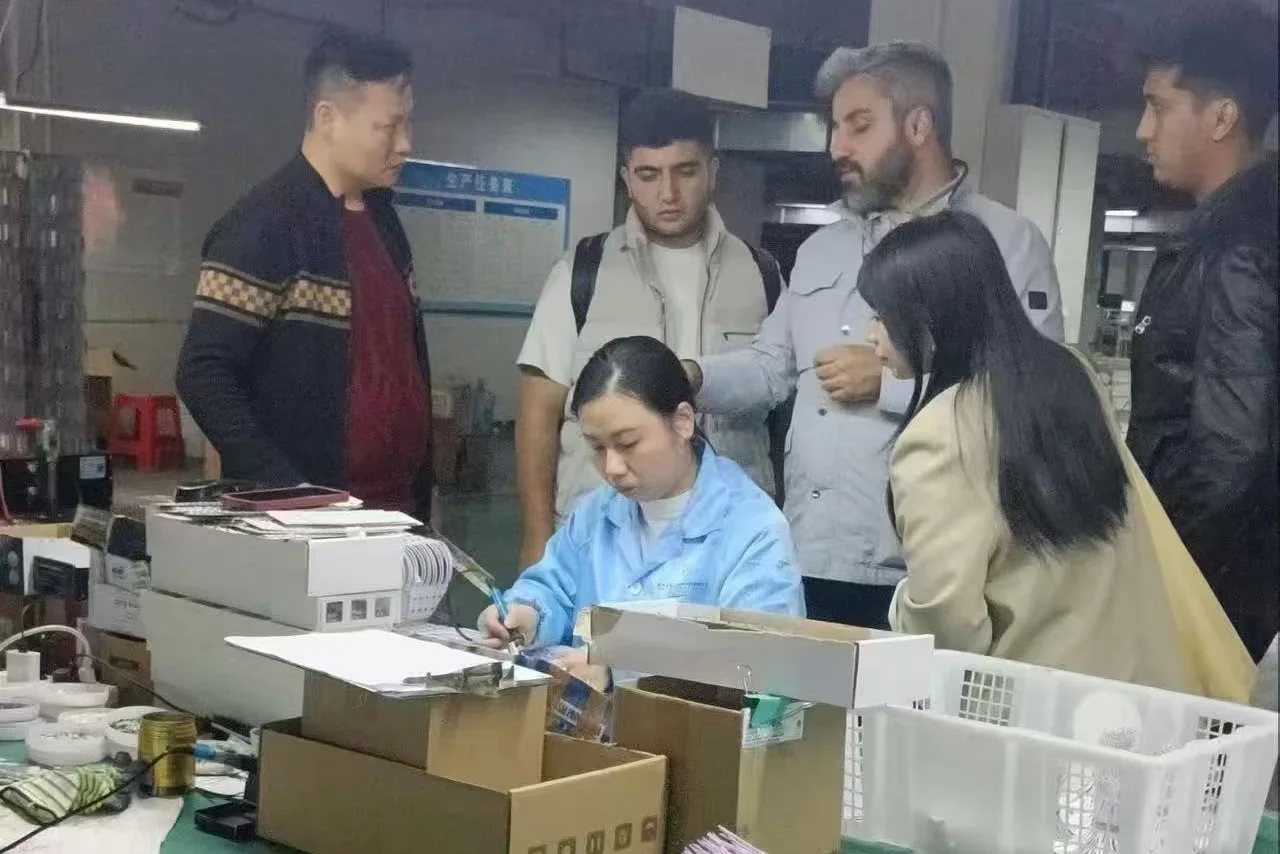
Spend USD 100‑200 for audit work to validate factory existence, export qualifications and real‑world production capacity. This filters out most risky vendors.
- Select the correct sourcing geographic hub
Yiwu International Trade City hosts 75 000+ booths covering numerous Amazon best‑selling consumer‑goods categories. Partner with a local Yiwu‑based agent to filter middlemen and locate genuine manufacturers.
Comparison of Different Supplier Types
| Supplier Type | Pros | Cons | Best‑Fit |
|---|---|---|---|
| Direct Factory | Lowest pricing, full custom‑OEM capability | High MOQ (1 000+ pcs), no‑in‑house QC | Mature established brands |
| Trading Company | Lower MOQ, multi‑item one‑stop sourcing | Price markup | First‑time new sellers |
| Sourcing Agent | QC inspection, FBA prep, cargo consolidation | 3‑8 % service commission | Amazon FBA sellers |
| Alibaba Gold Supplier | Verified badge, Trade‑Assurance protection | Widely‑variable product quality | Small‑size trial orders |
- Collect quotations from 3‑5 or more suppliers
Avoid selecting the first responding vendor. Send RFQ to 5‑10 candidates. Large price gaps signal risks: the lowest quote often sacrifices quality; the highest may contain unnecessary middle‑man costs.
- Thorough sample testing before bulk‑order release
Source multiple samples from separate suppliers. Inspect weight, dimensions, material quality, functionality and packaging. A sample that “looks acceptable” can scale into severe quality problems at 5 000‑unit mass‑production volume.
- Spot red‑flags for trading‑companies posing as real factories
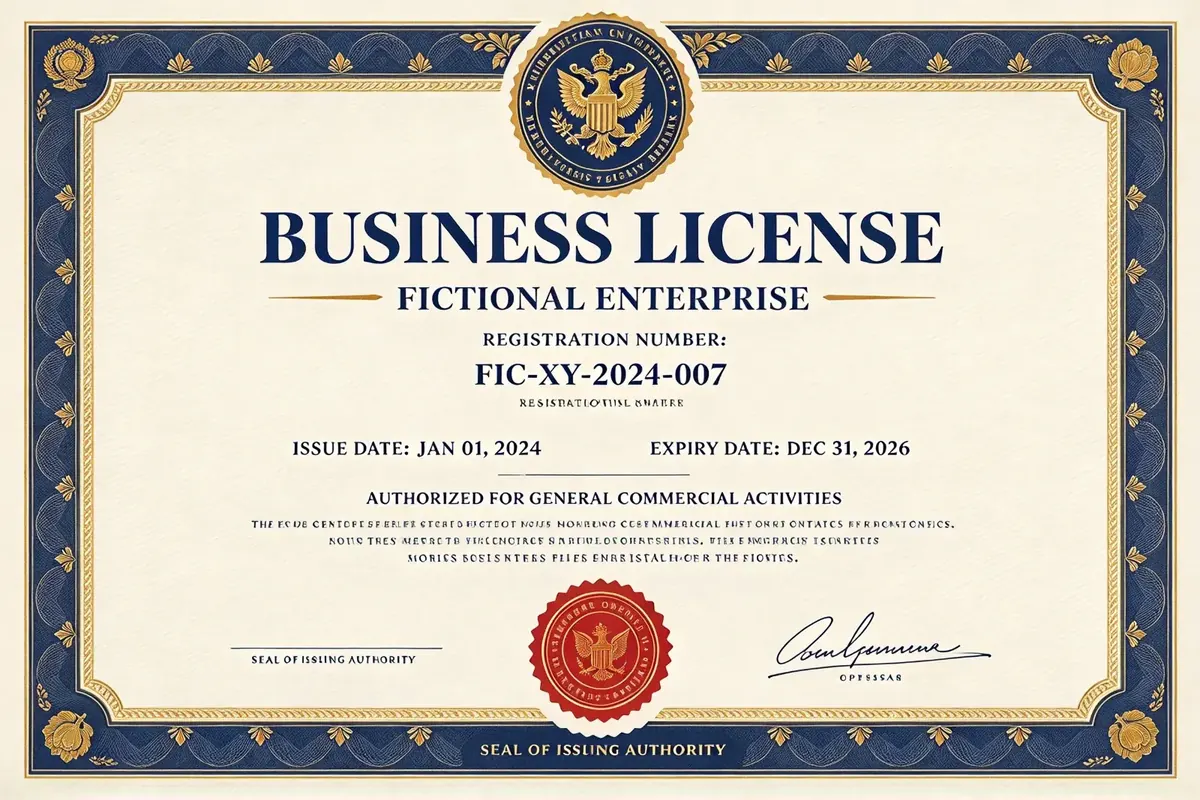
Warning signs: business‑license without explicit factory‑production address; vague answers regarding production‑lines; quotations noticeably higher than market benchmark; refusal to conduct live‑video factory tours.
- Use local agents for negotiation
Local Chinese agents commonly secure better pricing versus direct overseas buyers. This comes from Mandarin‑language proficiency, local business‑cultural knowledge and repeat‑order leverage. Agent service fees are frequently offset by negotiation gains.
- Develop long‑term supplier partnerships
After 2‑3 successful orders, suppliers tend to offer better unit‑prices, priority production scheduling, custom‑product development and exclusive‑item opportunities. These benefits are only available for stable long‑term collaborators.
Bulk‑order Pre‑placement Checklist
Confirm these seven points before placing any mass‑production PO:
- Business‑license validated via official Chinese government database
- Completed on‑site factory‑visit or live‑video‑tour
- Minimum two samples received and fully tested
- AQL 2.5 pre‑shipment QC terms documented within written contract
- Negotiated safe payment terms (never pay 100 % upfront)
- Written agreement that sample‑testing fees will be credited against bulk‑order cost
- Detailed production timeline with clear milestone markers
Related Articles
‑ EU & US Product Certifications Explained: CE FCC CPC FDA
‑ Private Mold vs. Logo Printing: Which OEM Path Fits Your Brand Budget?