 PolasourcingGet Quote

Key Takeaways
‑ Old molds rarely sit on a shelf waiting for a buyer. Factories usually re‑machine their own obsolete molds into new styles, or scrap them.
‑ Scrap yards and second‑hand mold dealers mix everything together. Once a mold gets there, it is very hard to identify which product it made.
‑ Start with the factory that made the product. If they no longer have the mold, ask whether they can modify a similar one.
‑ Never pay before a trial run. A used mold has to be tested on a machine and the samples approved first.
‑ Check who owns the mold and the design. A mold paid for by another brand, or carrying someone else’s logo, is not yours to reuse.
Why I went looking for old molds
A client asked me to find a few acrylic marker styles that are no longer in production. Instead of opening new molds, the idea was to find the old molds and run them again. It sounds simple: the molds were made once, so they should still be somewhere.
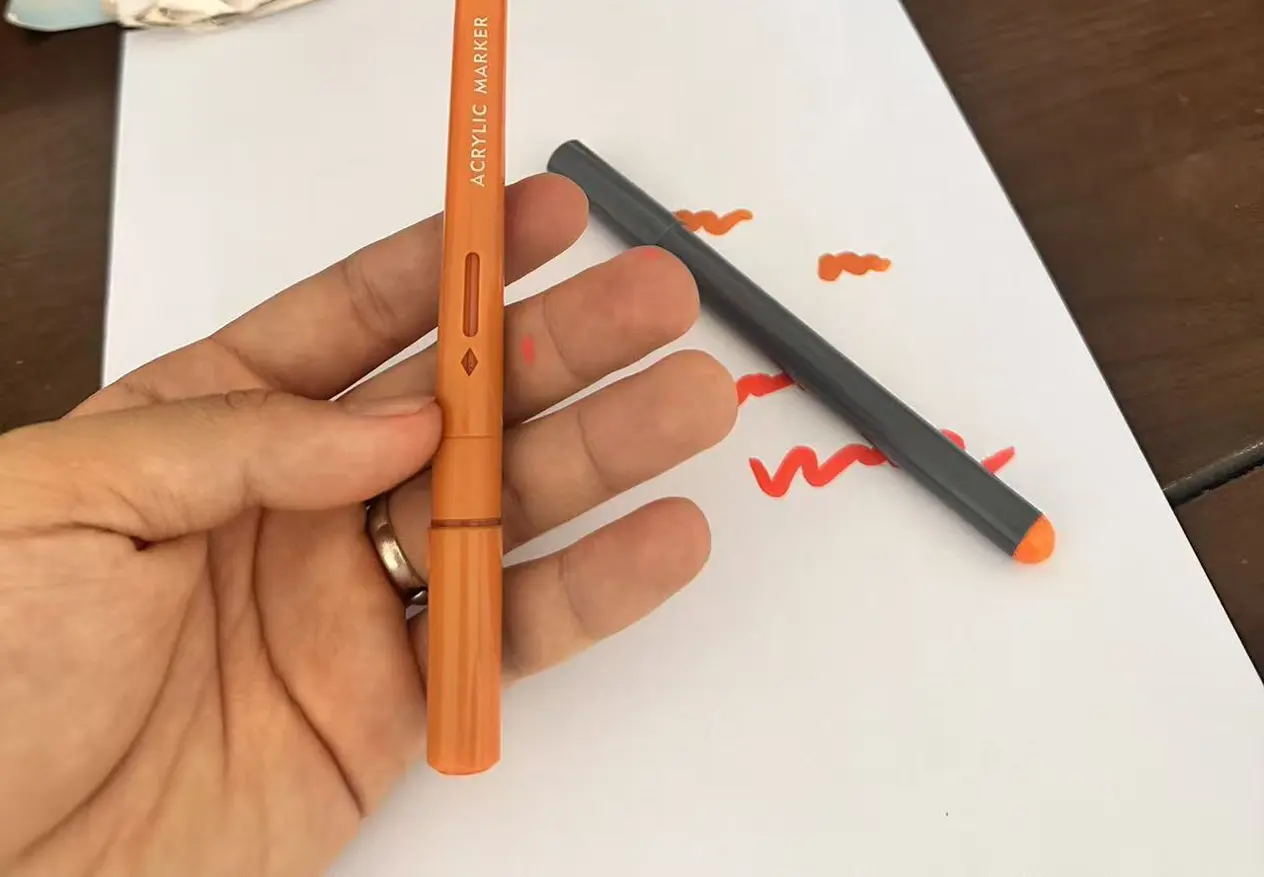
Before going out, I had already contacted a long list of watercolor and marker factories. None of them had these styles. So over the past few days I went to see factories and mold makers in person.
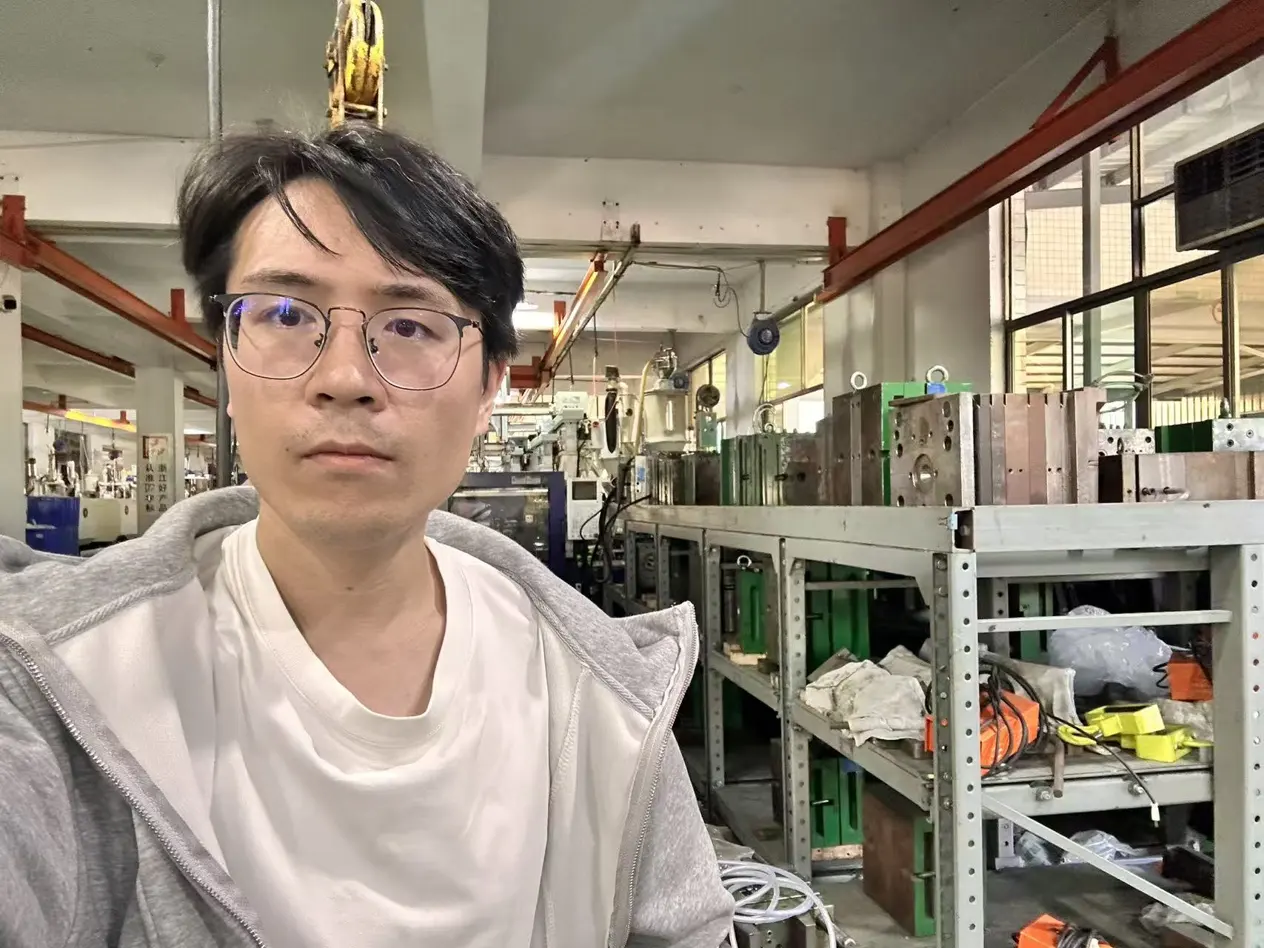
Mold makers and injection workshops in Yiwu
I started close to home, on the mold‑making street in Yiwu and in the injection molding workshops around it. These are the people who build and run molds every day, so they know how molds change hands.
A day in Fenshui, China’s pen‑making town
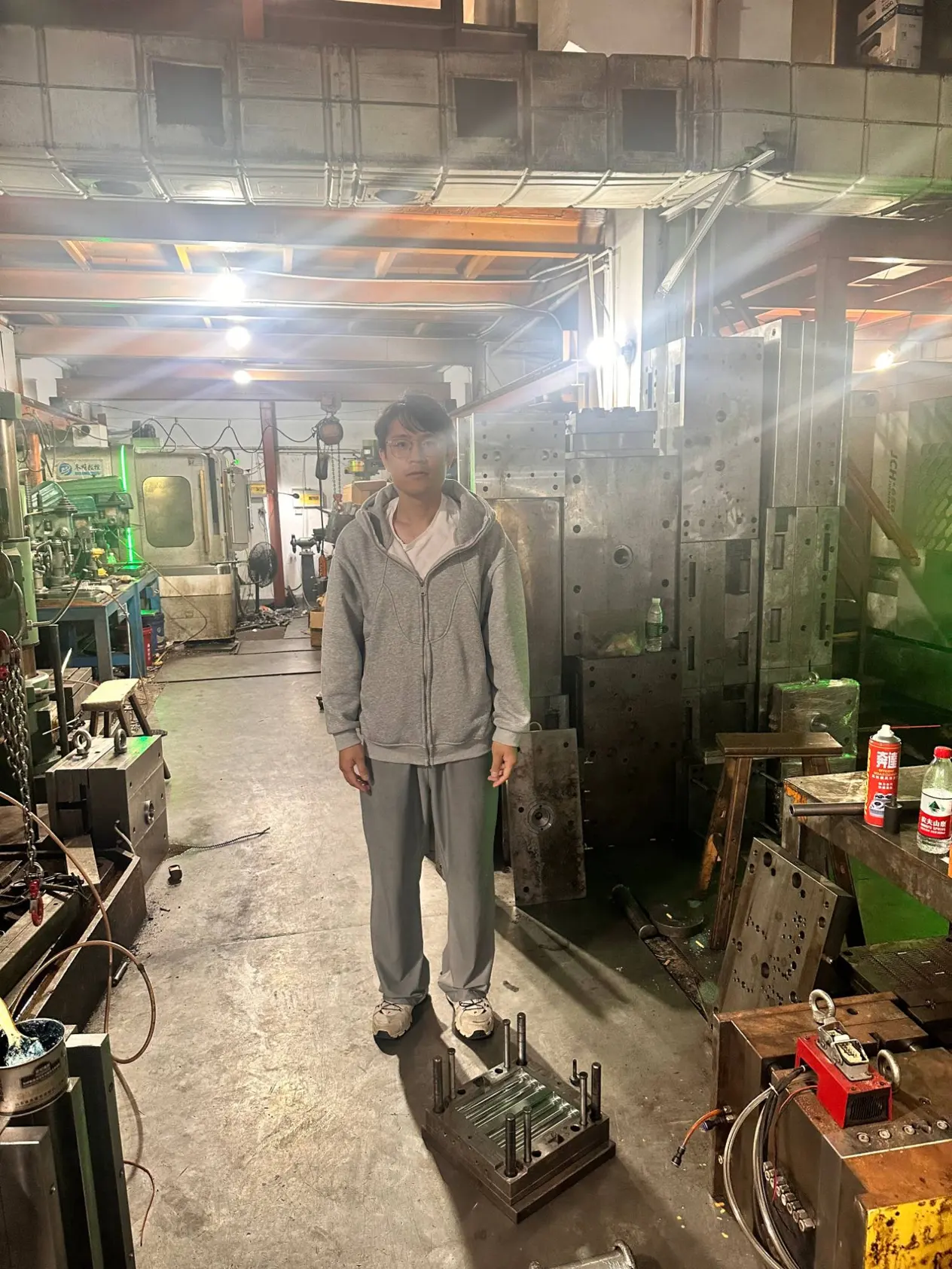
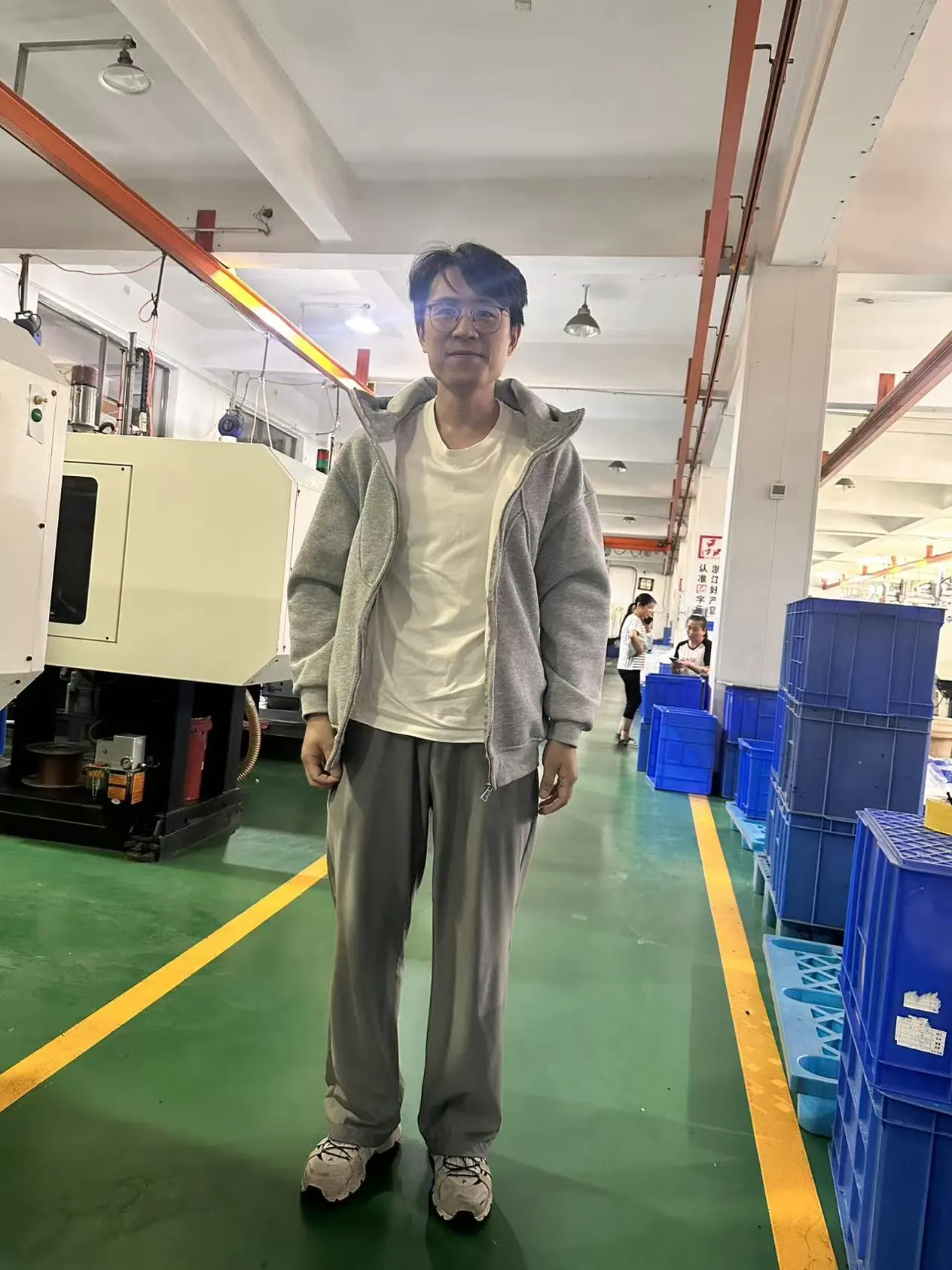
Today I went to Fenshui, the town near Hangzhou where a large share of China’s pens are made. I visited about 10 pen factories with the samples. None of them had these styles.
So I asked every factory the same question: what happens to your molds when a style is discontinued? The answers were consistent:
- Some molds are taken by other local factories.
- Molds nobody wants go to the scrap yard. There, molds from many factories are piled together, and nobody can tell any more which mold made which product.
- Most factories rework their own old molds. Several factory owners told me they re‑machine the mold of a discontinued style into a new style and keep using it. They do not sell them.
- Local second‑hand mold dealers have the same problem. Their molds are also mixed together and hard to identify.
My honest conclusion: the molds probably still exist somewhere, but finding the exact ones is mostly luck. I will keep watching for them, but I told my client not to count on it.
What to check before buying a used mold
If you do find a used mold, this is what I check before any money changes hands:
- Ownership. Ask who paid for the mold. If a brand paid for it, the factory cannot sell it to you, and running it for you can cause legal trouble for both sides. Get a written transfer from the real owner.
- Design rights and logos. Check the product is not protected by a design patent or trademark in your market. Any logo or brand text engraved in the cavity must be removed before production.
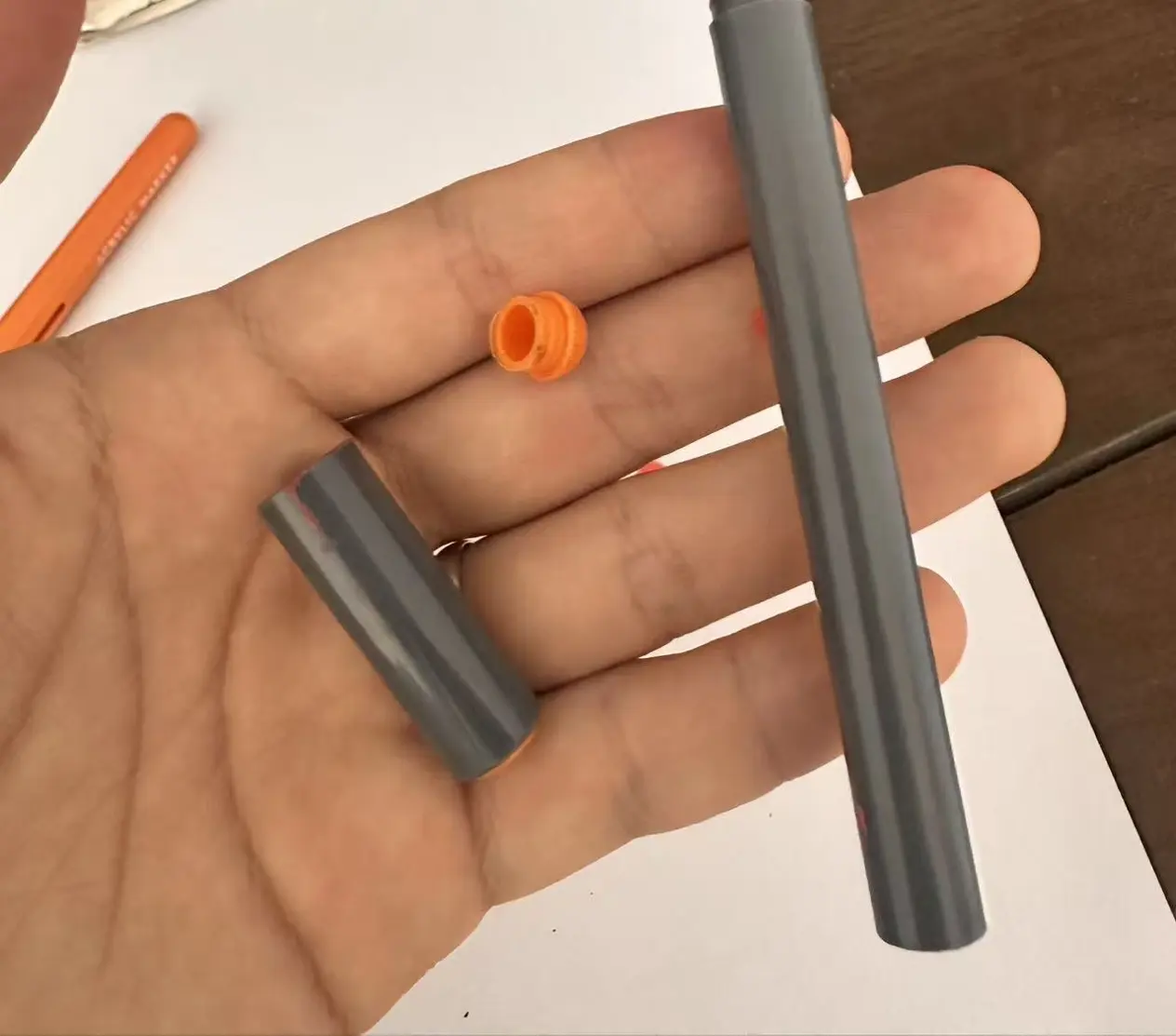
- The complete set. One product often needs several molds. A marker needs at least the barrel, the cap and the end plug, plus the nib and ink parts. One mold alone is not enough.
- Condition. Look for rust, cracks, worn or damaged cavities, bent ejector pins and blocked cooling channels. Ask how many shots the mold has already run.
- A trial run. Have the mold tested on a machine and approve the samples before you pay. Check for flash, short shots and size against your original sample.
- Machine fit. The mold has to suit the injection machine of the factory that will run it: size, clamping force, and hot or cold runner.
- Real cost. Add up the mold price, repair, transport and trial runs. For simple parts, a new mold can be cheaper and faster than fixing an old one.
If the old mold cannot be found
Do not lose months waiting for an exact mold to turn up. These options are usually more realistic:
- Find a close existing style. Many factories have similar molds. Changing the color, printing or packaging is cheap.
- Modify a similar mold. Since factories rework their own molds anyway, ask one with a close style to adjust it for you.
- Open a new mold for your own design. You own it, and you know its full history. See our guide on private molds vs. logo printing.
Need help finding a mold or a factory?
Send me your sample or photos of every part. I will check with factories and mold makers here, and tell you honestly what is possible and what it would cost.